designed by: Chen Kuan-Cheng |陳冠呈
2020
2020
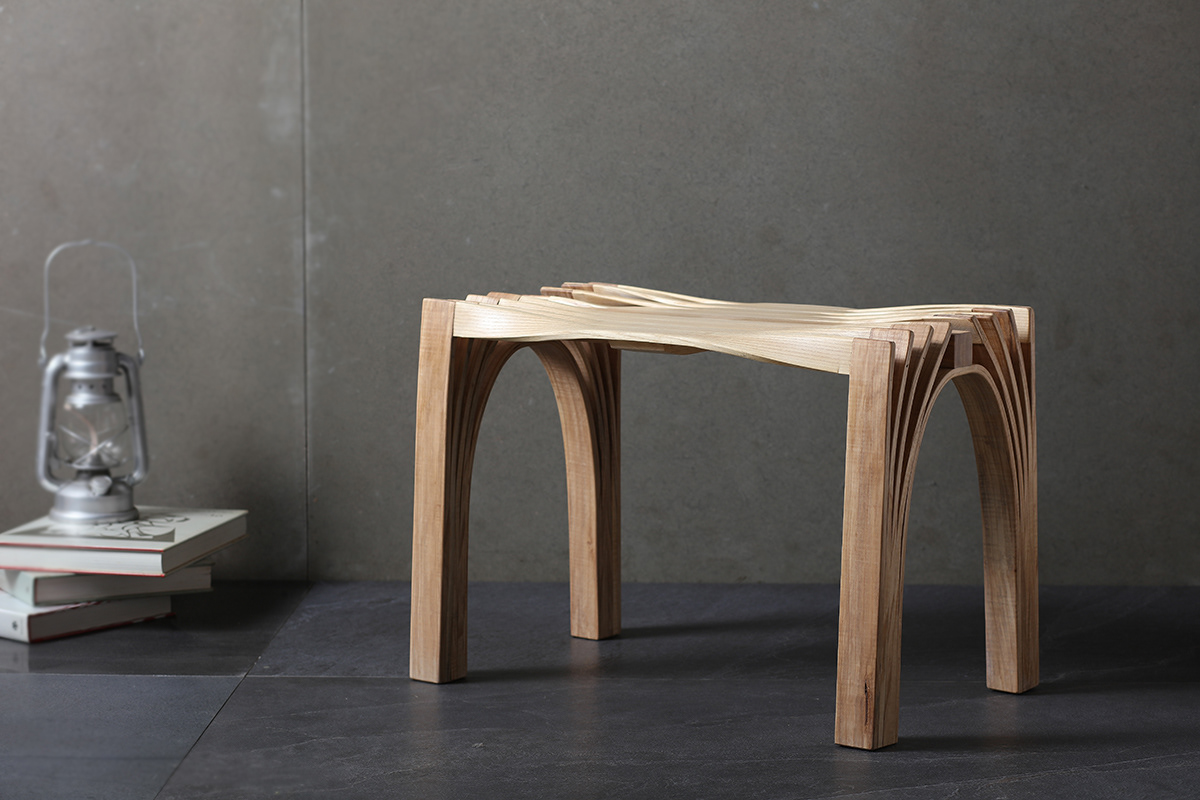
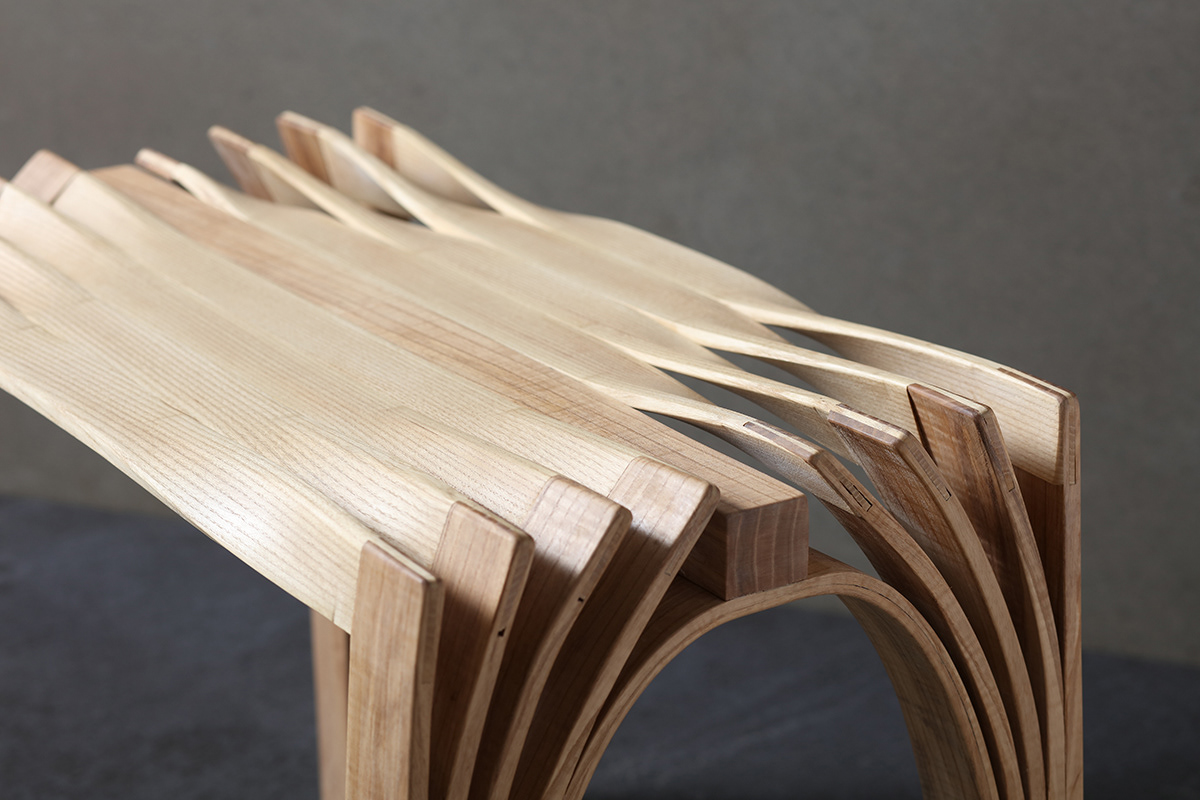
本專案由國立台灣工藝研究發展中心(NTCRI)協助開發,是一場結合數位運算與傳統工藝的深度實驗,旨在將大自然的紋理與觸感轉化於家具設計之中。
Developed with the support of the National Taiwan Craft Research and Development Institute (NTCRI), this project explores the intersection of computer parametric design and traditional craftsmanship to express the textures of nature through furniture.
Developed with the support of the National Taiwan Craft Research and Development Institute (NTCRI), this project explores the intersection of computer parametric design and traditional craftsmanship to express the textures of nature through furniture.
Inspiration|設計靈感
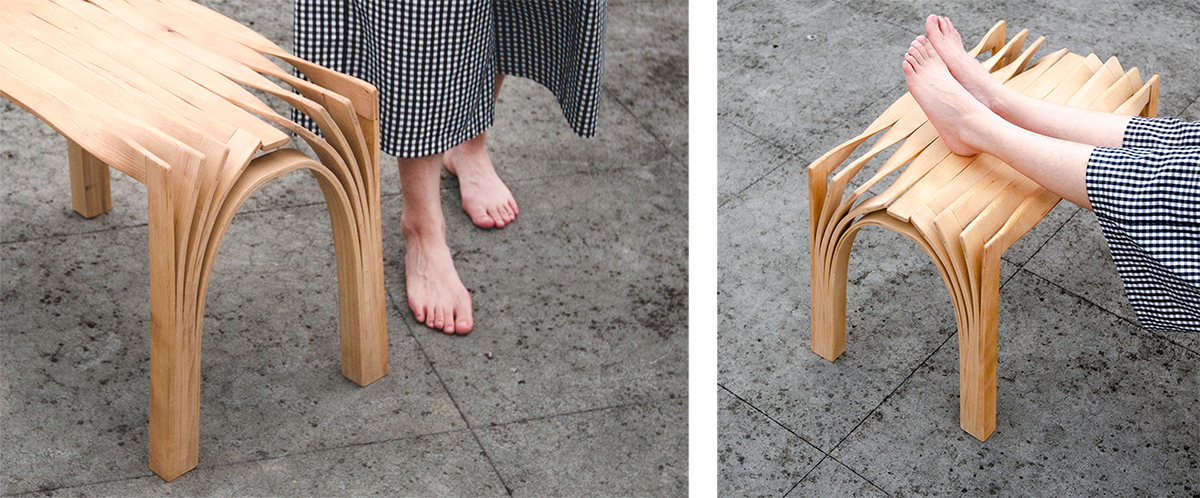
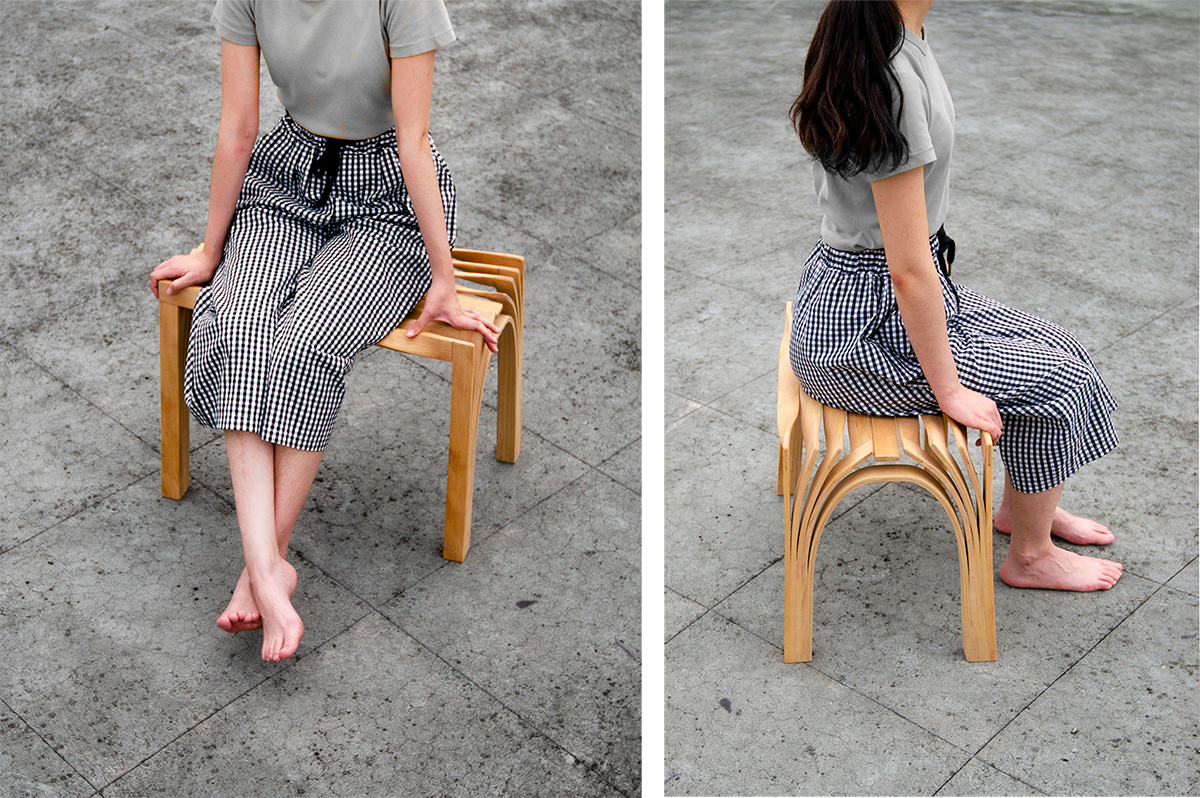
Flip chair 的靈感源自於「席地而坐」的純粹感受。我們希望能將大草地上的柔軟、陽光與微風,轉化為使用者能真實觸摸到的自然體驗。經過反覆的方案摸索,最終選擇以「翻轉(Flip)」作為核心語彙,精準捕捉了草地隨風拂動時的流暢瞬間。
The inspiration behind the Flip chair stems from the simple joy of sitting on a grassy meadow. We wanted to capture the softness of the grass, the warmth of the sun, and the gentle breeze, translating these elements into a tangible experience. Through various iterations, we chose the concept of a "flip" to represent the flowing movement of grass swaying in the wind.
The inspiration behind the Flip chair stems from the simple joy of sitting on a grassy meadow. We wanted to capture the softness of the grass, the warmth of the sun, and the gentle breeze, translating these elements into a tangible experience. Through various iterations, we chose the concept of a "flip" to represent the flowing movement of grass swaying in the wind.
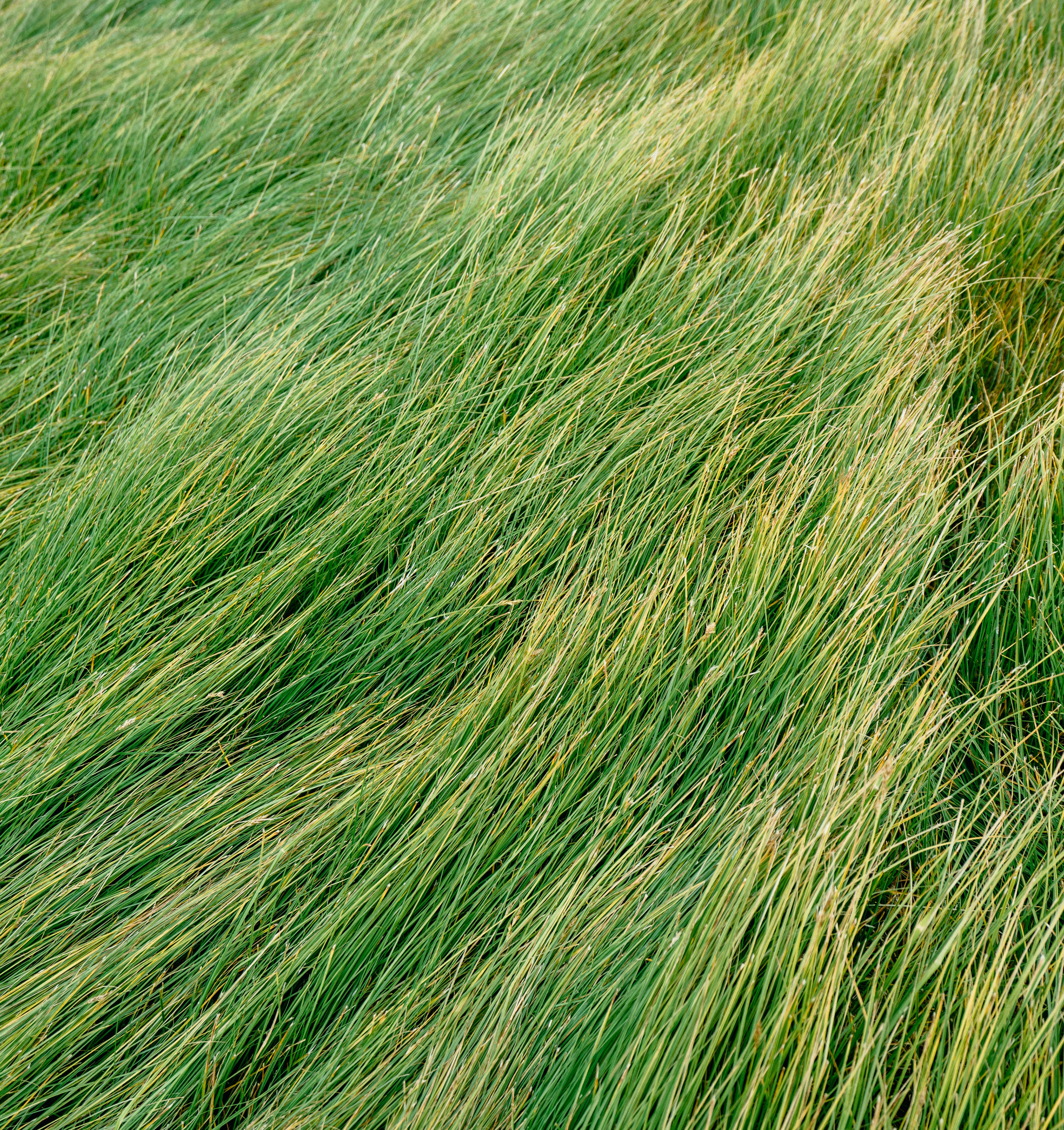
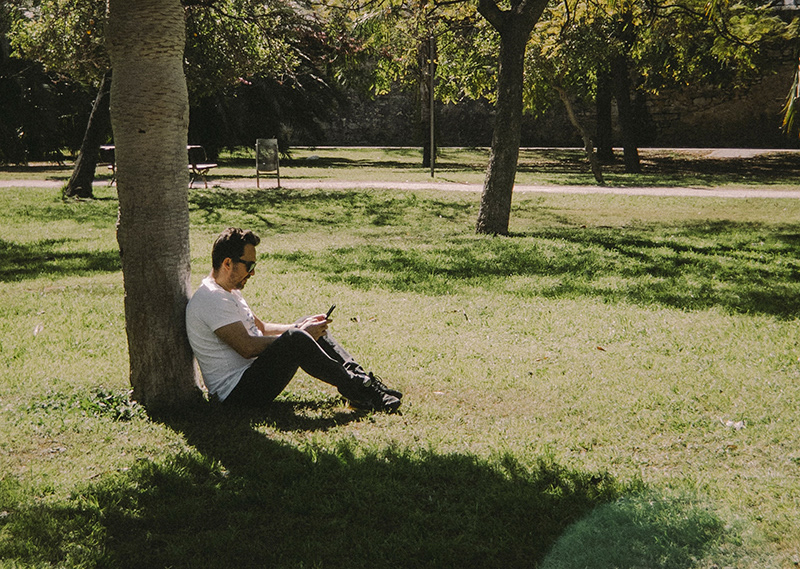
▲陳冠呈:「這張椅子的設計靈感源自於坐在草地上的感受,周遭的草隨風飄動,彷彿活著一樣。我想要透過設計來詮釋這股生命力。」
Chen Kuan-Cheng:「The design of this chair is inspired by the feeling of sitting on the grass, the grass around with the wind fluttering, as if alive. and I want to interpret this vitality through the design.」
Chen Kuan-Cheng:「The design of this chair is inspired by the feeling of sitting on the grass, the grass around with the wind fluttering, as if alive. and I want to interpret this vitality through the design.」
Craft & Technology|工藝與技術
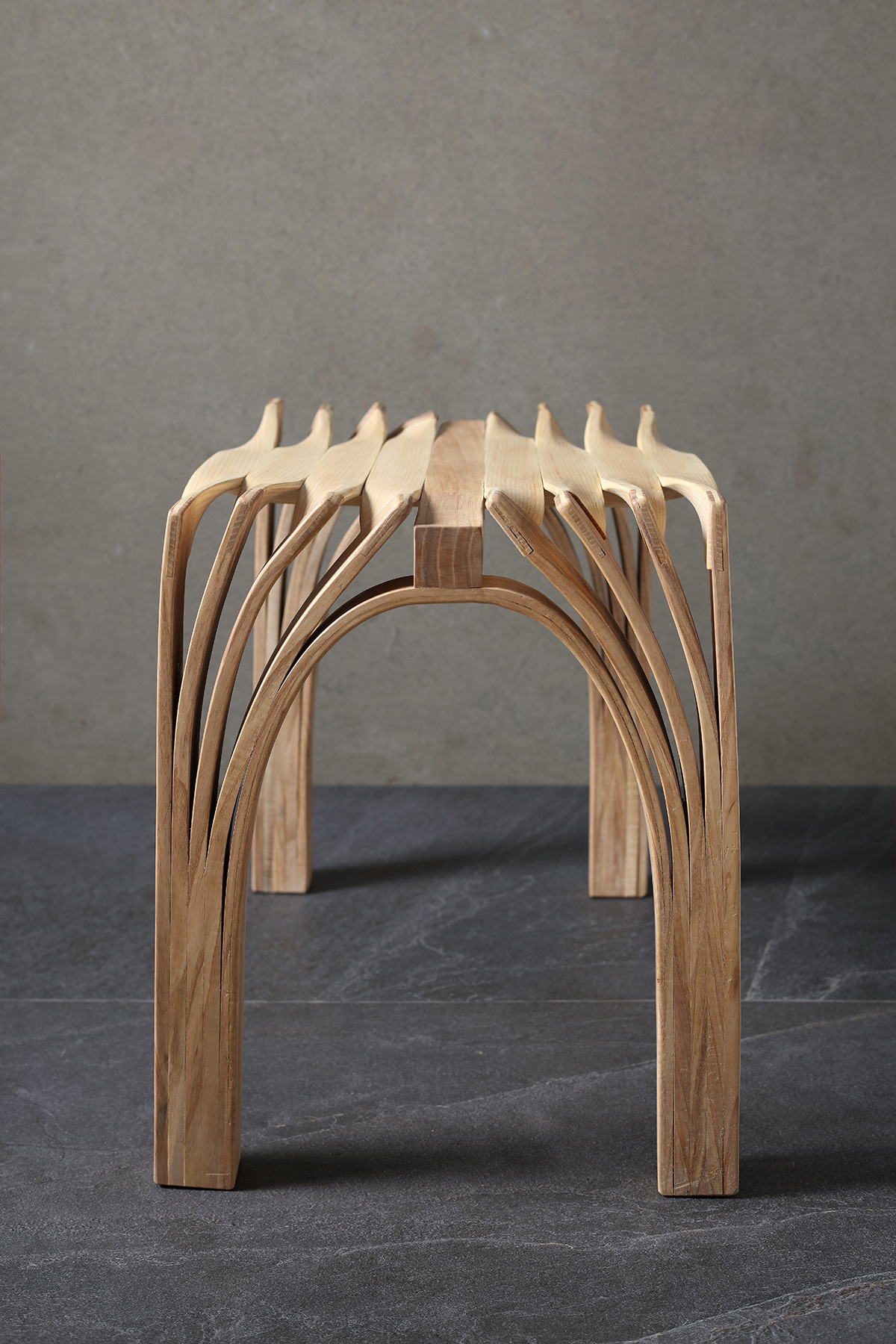
為了將流動的意象具象化,我們運用電腦參數化設計(Parametric Design)模擬出椅面優美的流動曲折。在實作上,則回歸傳統細木作,運用蒸氣曲木技術(Steam Bending)將木材彎折並以模具定型,最後透過純手工悉心打磨修飾。這件作品完美融合了數位運算的精準與職人手作的溫潤。
To materialize this flowing imagery, we utilized parametric design to simulate the fluid transitions of the seat's surface. For the physical execution, we returned to fine woodworking, employing steam bending techniques to shape the wood before setting it in custom molds. The final piece is meticulously hand-finished, seamlessly blending the precision of digital computation with the warmth of traditional craftsmanship.
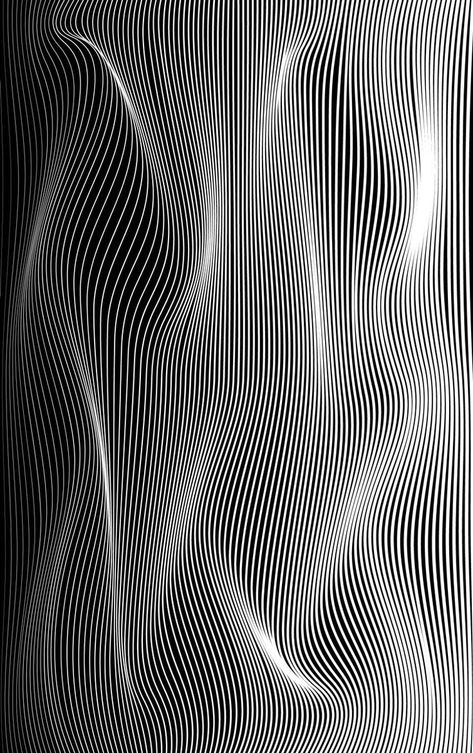


▲將概念轉化為設計語彙後,我們決定以「翻轉(Flip)」作為核心主軸。
Translating the concept into a design vocabulary, we decided to use "flip" as the main axis.
Translating the concept into a design vocabulary, we decided to use "flip" as the main axis.
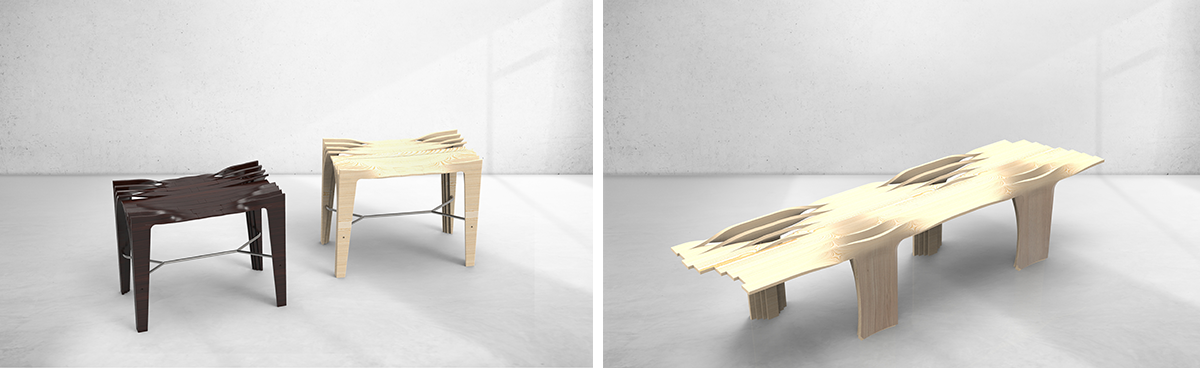
▲透過翻轉的型態,讓曲木在漸變中展現出流暢的動態,進而散發出蓬勃的生命力。
Through the flip, the bent wood is made to flow through gradual changes and generate vitality.
Through the flip, the bent wood is made to flow through gradual changes and generate vitality.
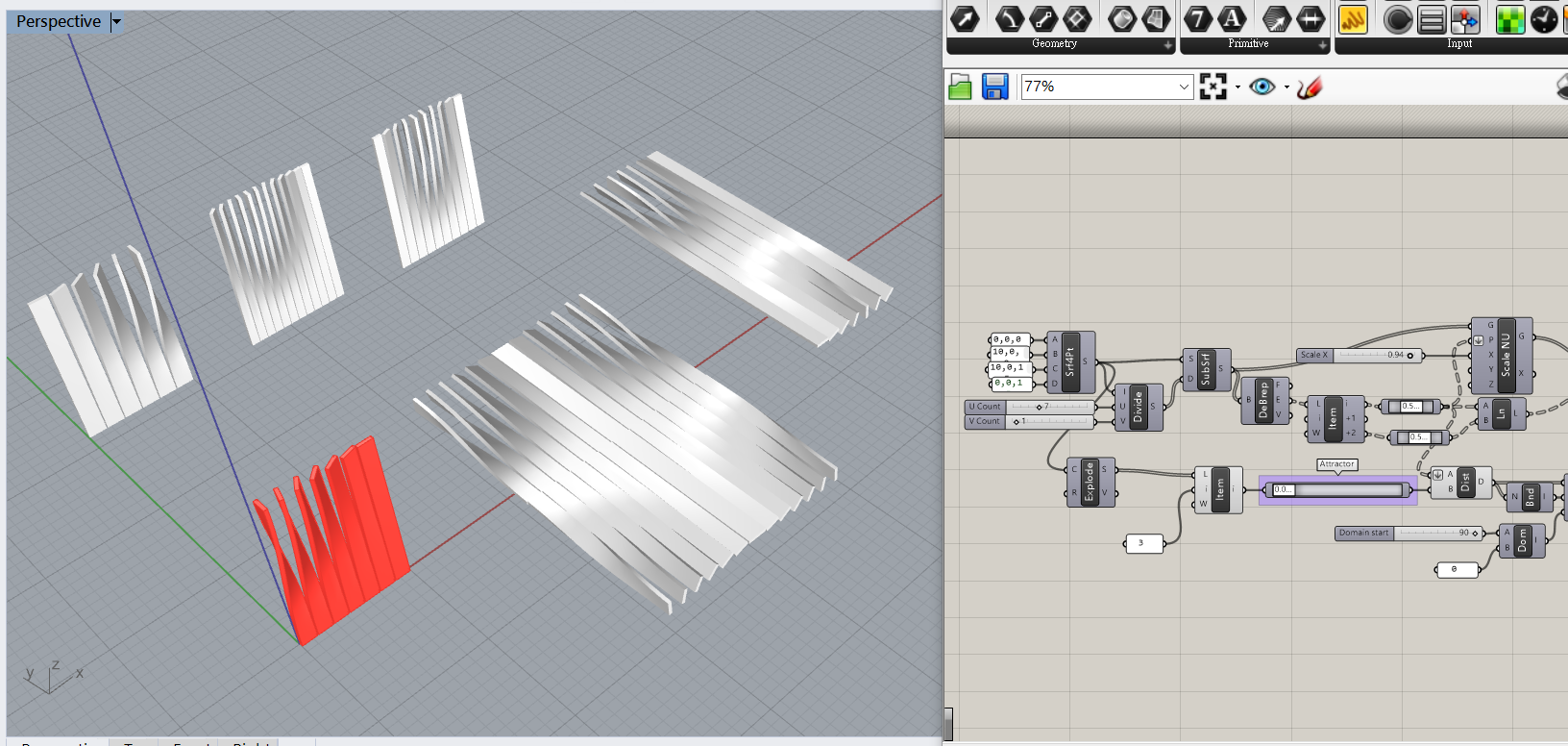
▲最後,我們運用 GH (Grasshopper) 繪製 3D 模型,反覆模擬多種漸變狀態,並確立最終的細部設計。
Finally, the 3D model was drawn by GH to simulate various gradient states and output the detailed design.
Finally, the 3D model was drawn by GH to simulate various gradient states and output the detailed design.
實作挑戰|Manufacturing
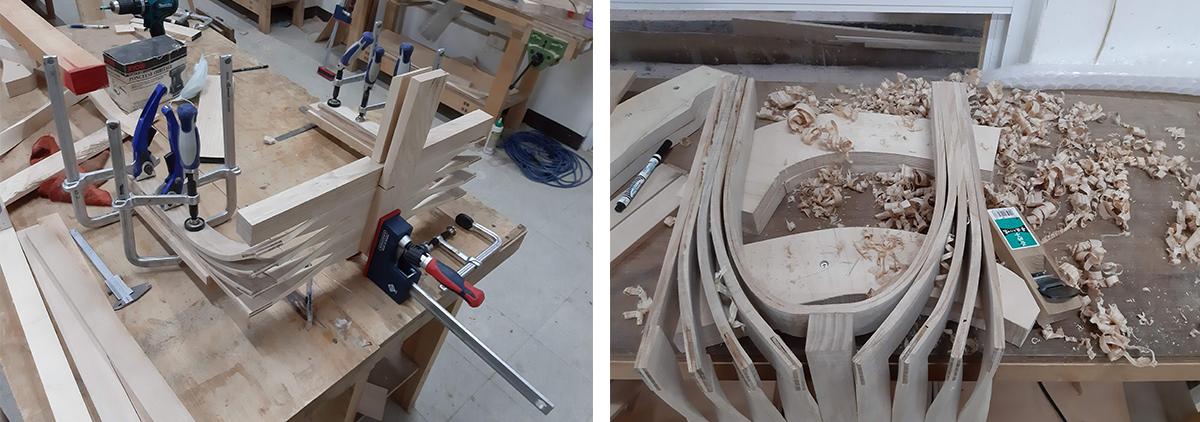
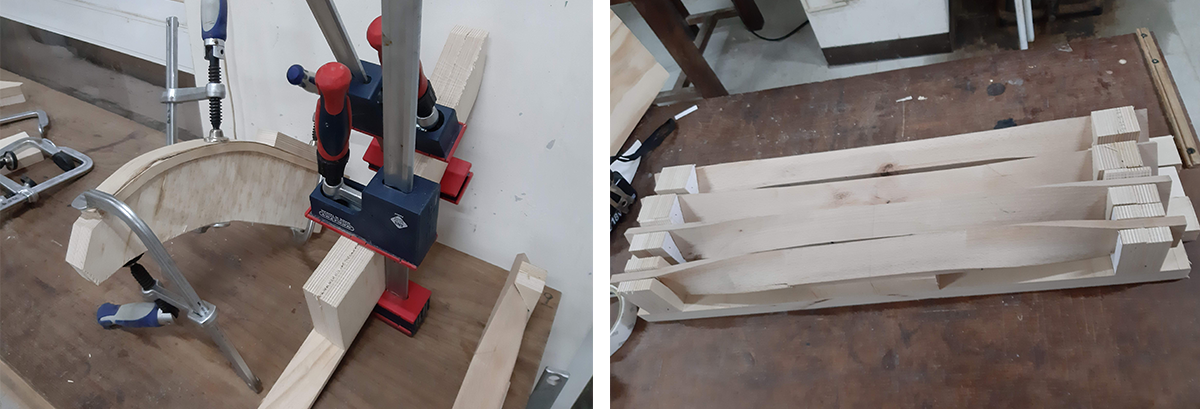
實作是一段充滿挑戰的過程。由於蒸氣曲木在成型後的尺寸難以達到絕對的精準,我們必須不斷地反覆測試與微調,才能將設計完美落地。
The production is a difficult process, because the size of the steam bent wood cannot be very precise, so we have to keep trying and trying.
The production is a difficult process, because the size of the steam bent wood cannot be very precise, so we have to keep trying and trying.
In Context|情境